
A Recent Buyer Sale
Read on to see how I did it.
I'm so glad you've decided to find out more about my process for helping sellers & buyers reach their real estate goals. My aim is always to help you sell:
- in the shortest amount of time
- with the least amount of hassle
- and achieve the highest price.
Below you'll find details on the many things it takes to get a property sold. If you'd like to speak with me, please complete the form at the bottom of the page and I'll get back to you.
The Problem:
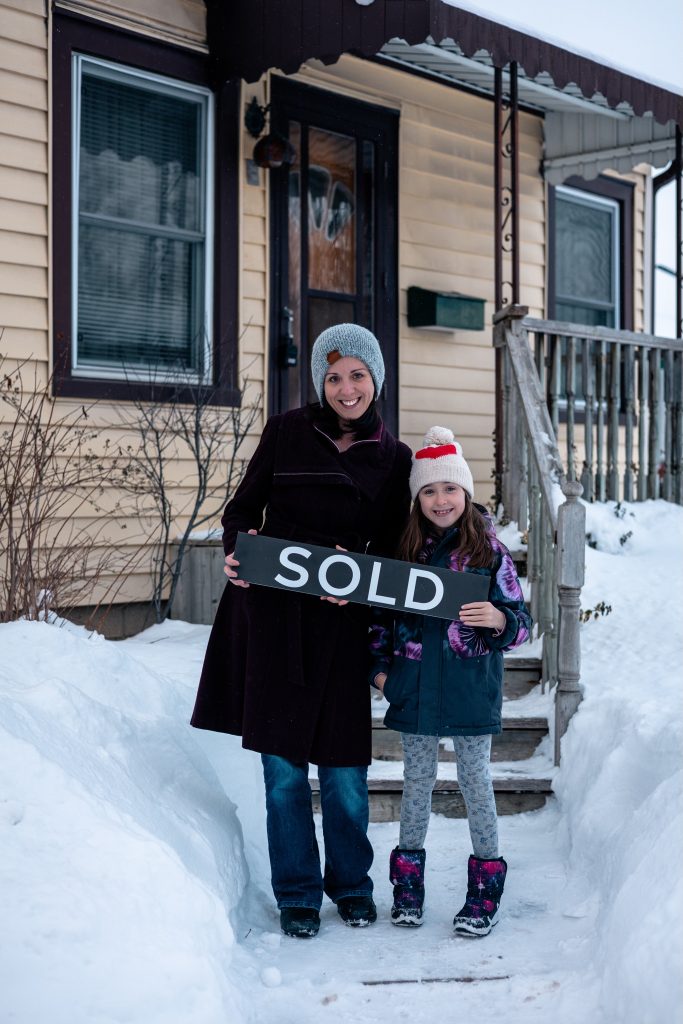
When Jen came to me, she wasn't just looking for a house - she was looking to create stability and independence for herself and her daughter. As a single mom working within a limited budget, the market felt especially challenging. Many of the homes in her price range were run down, required extensive repairs, or would have added financial and emotional stress rather than security.
In a fast-moving market with low inventory in her price range, finding a home that was both affordable and livable felt nearly impossible. For sellers, this is important to understand: there are buyers like Jen who are highly motivated, emotionally invested, and ready to move - but they need the right home at the right time.
The Solutions:
We approached Jen's search with intention and strategy. I took the time to truly understand her priorities - not just price, but safety, functionality, and long-term comfort for her and her daughter. By staying ahead of new listings, identifying homes with strong potential that didn't require overwhelming renovations, and acting quickly when the right opportunity appeared, we were able to position Jen confidently and competitively.
This is the same buyer-focused strategy I bring to my sellers. By working closely with serious, well-prepared buyers and understanding what truly motivates them, I'm able to match the right home with the right person - creating smoother transactions and stronger outcomes for everyone involved.
The Result:
Jen found a home that finally checked the boxes - a solid, well-cared for property that fit her budget and allowed her to create a stable, independent future for her family without taking on a major project. The result was not just a successful purchase, but peace of mind.
For homeowners thinking about selling, this is a reminder that real buyers are out there right now - families, parents, and individuals looking for a place to build their next chapter. When your home is priced, marketed, and positioned correctly, it doesn't just attract attention - it attracts the right buyer.
If you're considering selling this spring and want to know what buyers like Jen are looking for - and what your home could sell for - complete the form below and let's talk.
Testimonial
"Ashley worked tirelessly for months with me, looking at multiple homes, to find the perfect fit for me and my daughter. We can't wait to move in soon to our first home, all thanks to you Ashley!"
156 Things REALTORS® Do For You
SO WHAT EXACTLY DOES A REALTOR® DO FOR YOU?
Listed here are 156 typical actions, research steps, procedures, processes, and review stages in a successful residential real estate transaction that are normally provided by full service real estate brokerages in return for their sales commission. Depending on the transaction, some may take minutes, hours, or even days to complete, while some may not be needed. More importantly, they reflect the level of skill, knowledge and attention to detail required in today's real estate transaction, underscoring the importance of having help and guidance from someone who fully understands the process - a REALTOR®. And never forget that REALTORS® are pledged to uphold the stringent, enforceable tenets of the REALTOR® Code of Ethics in their professional dealings with the public. Not every real estate licensee is a REALTOR®. Make sure yours is!
Pre-Listing Activities
- Make appointment with seller for listing presentation
- Send a written or e-mail confirmation of appointment and call to confirm.
- Review appointment questions.
- Research all comparable currently listed properties.
- Research sales activity for past 18 months from MLS and public databases.
- Research "Average days on market" for properties similar in type, price, and location.
- Download and review property tax roll information.
- Prepare "comparable market analysis" (CMA) to establish market value.
- Obtain copy of subdivision plan/complex layout, where available.
- Research property's ownership and deed type.
- Research property's public record information for lot size and dimensions.
- Verify legal description.
- Research property's land use coding and deed restrictions.
- Research property's current use and zoning.
- Verify legal names of owner(s) in county's public property records.
- Prepare listing presentation package with above materials.
- Perform exterior "curb appeal assessment" of subject property.
- Compile and assemble formal file on property.
- Confirm current public schools and explain their impact on market value.
- Review listing appointment checklist to ensure completion of all tasks.
Listing Appointment Presentation
- Give seller an overview of current market conditions and projections.
- Review agent and company credentials and accomplishments.
- Present company's profile and position or "niche" in the marketplace.
- Present CMA results, including comparables, sold, current listings, and expired.
- Offer professional pricing strategy based and interpretation of current market conditions.
- Discuss goals to market effectively.
- Explain market power and benefits of multiple listing service.
- Explain market power of online marketing, IDX and Realtor.ca
- Explain the work the broker and agent do "behind the scenes" and agent's availability on weekends.
- Explain agent's role in screening qualified buyers to protect against curiosity seekers.
- Present and discuss strategic master marketing plan.
- Explain different agency relationships and determine seller's preference.
- Review all clauses in listing contract and obtain seller's signature.
After Listing Agreement is Signed
- Review current title information.
- Measure overall and usable square footage.
- Measure interior room sizes, or have house professionally measured where applicable.
- Confirm lot size via owner's copy of certified survey, if available.
- Note any and all unrecorded property lines, agreements, easements.
- Obtain house plans, if applicable and available.
- Review house plans, make copy.
- Prepare showing instructions for buyer's agents and agree on showing times with seller.
- Obtain current mortgage loan(s) information: companies and outstanding balance and any penalties that may be applicable.
- Check assumability of loan(s) and any special requirements.
- Discuss possible buyer financing alternatives and options with seller.
- Review current appraisal if available.
- Research electricity availability and supplier's name and phone number.
- Calculate average utility usage from last 12 months of bills.
- Research and verify city sewer/septic tank system.
- Calculate average water system fees or rates from last 12 months of bills.
- Or confirm well status, depth, and output from Well Report.
- Research/verify natural gas availability, supplier's name and phone number.
- Verify security system, term of service and whether owned or leased.
- Prepare detailed list of property amenities and assess market impact.
- Prepare detailed list of property's inclusions & exclusions with sale.
- Complete list of completed repairs and maintenance items.
- Have extra key made for lockbox.
- Verify if property has rental units involved. And if so:
- Make copies of all leases for retention in listing file.
- Verify all rents and deposits.
- Inform tenants of listing and discuss how showings will be handled.
- Arrange for yard sign installation.
- Complete "new listing checklist."
- Review results of Curb Appeal Assessment with seller and suggest improvements for salability.
- Review results of Staging Consultation and suggest changes to shorten time on market.
- Load listing time into transaction management software.
Entering Property in MLS Database
- Prepare MLS Profile Sheet- agent is responsible for "quality control" and accuracy of listing data.
- Enter property data from Data Sheet into MLS Listing database.
- Proofread MLS database listing for accuracy, including property placement in mapping function.
- Add property to company's Active Listings.
- Provide seller with signed copies of Listing Agreement and MLS Profile Data From.
- Have professional photography completed and sent the photos to the MLS.
Marketing the Listing
- Create print and internet ads with seller's input.
- Coordinate showings with owners, tenants and other agents. Return all calls-weekends included.
- Install lockbox.
- Prepare mailing and contact list.
- Order "Just-Listed" postcards.
- Prepare flyers and feedback forms.
- Review comparable MLS listings regularly to ensure property remains competitive in price, terms, conditions and availability.
- Prepare property marketing brochure for seller's review.
- Arrange for printing or copying of marketing brochures or flyers.
- Place marketing brochures in all company agent mailboxes.
- Upload listing to company and agent internet sites, if applicable.
- Market the property on all social media channels.
- Mail "Just Listed" notice to all neighbourhood residents.
- Provide marketing data to buyers from international relocation networks.
- Provide marketing data to buyers coming from referral network.
- Submit ads to company's participating internet real estate sites.
- Convey price changes promptly to all internet groups.
- Reprint/supply brochures promptly as needed.
- Review and update loan information in MLS as required.
- Send feedback emails to buyer's agents after showings.
- Review weekly Market Study.
- Discuss feedback from showing agents with seller to determine if changes will accelerate the sale.
- Place regular weekly update calls to seller to discuss marketing and pricing.
- Promptly enter price changes in MLS listings database.
The Offer and the Contract
- Receive and review all Offer to Purchase contracts submitted by buyers or buyer's agents.
- Evaluate offer(s) and prepare "net sheet" on each for owner to compare.
- Counsel seller on offers. Explain merits and weakness of each component of each offer.
- Contact buyer's agent to review buyer's qualifications and discuss offer.
- Confirm buyer is pre-qualified by calling loan officer when possible.
- Obtain pre-qualification letter on behalf from loan officer when possible.
- Negotiate all offers on seller's behalf, setting time limit for loan approval and closing date.
- Prepare and convey any counteroffers, acceptance or amendments to buyer's agent..
- Send copies of contract and all addendums to lawyer(s).
- When Offer-to-Purchase contract is accepted and signed by seller, deliver to buyer's agent.
- Record and promptly deposit buyer's money into trust account.
- Disseminate "Under Contract Showing Restrictions" as seller requests.
- Deliver copies of fully signed Offer to Purchase contract to sellers.
- Deliver copies of Offer to Purchase contract to buying agent.
- Send copies of Offer to Purchase contract to lender.
- Provide copies of signed Offer to Purchase contract for office file.
- Advise seller in handling additional offers to purchase submitted between contract and closing.
- Change MLS status to "Sale Pending."
- Upload transaction management program to show "Sale Pending."
- Provide credit report information to seller if property is to be seller financed.
- Assist buyer with obtaining financing and follow ups as necessary.
- Coordinate with lender on dates and deadlines.
- Deliver requested property information to buyer.
- Order septic inspection, if applicable.
- Receive and review septic system inspection reports and access any impact on sale.
- Deliver copy of septic system inspection report to lender and buyer.
- Deliver well flow test report copies to lender, buyer, and listing file.
Tracking the Loan Process
- Follow loan processing through with mortgage broker and provide additional details when and if necessary.
- Contact lender weekly to ensure processing is on track.
- Relay final approval of buyer's loan application to seller.
Home Inspection
- Coordinate buyer's professional home inspection with seller.
- Attend the building inspection.
- Review home inspector's report with the client.
- Enter completion into transaction management tracking software program.
- Explain seller's responsibilities and interpret any clauses in the contract.
- Ensure seller's compliance with home inspection clause requirements.
- Assist seller with identifying and negotiating with trustworthy contractors for required repairs.
- Negotiate payment and oversee completion of all required repairs on seller's behalf, if needed.
The Appraisal
- Schedule appraisal.
- Provide comparable sales used in market pricing to appraiser if requested.
- Attend the appraisal appointment.
- Follow up on appraisal.
- Enter completion into transaction management program.
- Assist seller in questioning appraisal report if it seems too low.
Closing Preparations and Duties
- Make sure all parties have met with their lawyers to sign documentation to close the transaction.
- Coordinate closing process with buyer's agent.
- Update closing forms and files.
- Ensure all parties have all forms and information needed to close the sale.
- Assist in resolution of any title problems (boundary disputes, easements, etc.) or in obtaining death certificates.
- Work with buyer's agent in scheduling and conducting buyer's final walkthrough prior to closing.
- Coordinate closing with seller's next purchase, resolving timing issues.
- Have "no surprises" closing so that seller receives a net proceeds check at closing.
- Refer sellers to one of the best agents at their destination, if applicable.
- Change MLS status to Sold, Enter sale date, price, selling broker, and agent's ID numbers etc.
- Close out listing in transaction management program.
Follow Up After Closing
- Check in with buyer after closing to see that all inclusions and mechanicals are as agreed and functioning properly.
- Attempt to clarify and resolve any repair conflicts if buyer is dissatisfied.
- Coordinate with legal counsel if any issues were identified with respect to inclusions that are not functioning properly.
- Respond to any follow-up calls and provide any additional information required from office files.

CENTURY 21 United Realty Inc. Brokerage
INFO & SERVICES
CENTURY 21 United Realty Inc. Brokerage
387 George Street South (PO Box 178), Peterborough, ON K9J6Y8
(705) 743-4444
INFO & SERVICES

Independently Owned and Operated. ®/™ trademarks owned by Century 21 Real Estate LLC used under license or authorized sub-license. © 2020 Century 21 Canada Limited Partnership © 2020 Century 21 Canada Limited Partnership
The trademarks MLS®, Multiple Listing Service® and the associated logos identify professional services rendered by REALTOR® members of CREA to effect the purchase, sale and lease of real estate as part of a cooperative selling system. The trademarks REALTOR ® , REALTORS ® and the REALTOR ® logo are controlled by The Canadian Real Estate Association (CREA) and identify real estate professionals who are members of CREA. Used under license. This listing content provided by REALTOR.ca has been licensed by REALTOR® members of The Canadian Real Estate Association. Not intended to solicit properties currently listed for sale or buyers under contract.
Century 21 Canada Limited Partnership currently has franchise opportunities available in select markets across Canada. The intent of this communication is for informational purposes only and is not intended to be a solicitation to anyone under contract with another real estate brokerage operation. This e-mail message contains confidential information intended only for the use of the individual or entity named above. Any unauthorized use or disclosure is strictly prohibited. If you have received this communication in error please immediately delete the e-mail and either notify the sender at the above e-mail address or by telephone.
© 2026 MoxiWorks
